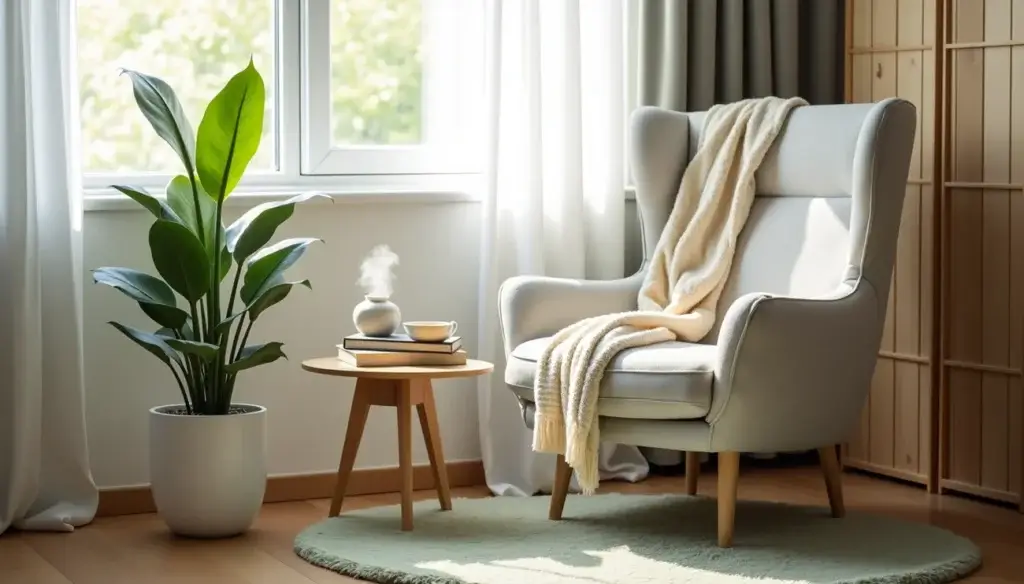
Have you ever walk into a space that everyone else loves, but it just… exhausts you? You’re not imagining things. What energizes extroverts often drains those of us who need quiet to recharge. That’s where introverted home design comes into play.
Some people thrive in crowded, chaotic environments. But you likely crave something different, Wallflower. You want simplicity. You want quiet spaces where you can turn inward and actually rest.
Here’s what I’ve learned about us introverts: clutter is particularly noisy to our minds. It makes it impossible to feel calm in our own homes. We’re more sensitive to sensory and emotional overload, especially if you’re also highly sensitive.
But here’s the good news…
With introverted home design, you can create what experts call an “introvert zen zone.” This is a space that’s designed to be peaceful and calming, and it can make all the difference in your well-being.
You might be checking neighborhoods for noise levels and foot traffic or designing cozy corners with comfortable seating and soft lighting. Either way, introvert house design is really about one thing: creating retreat spaces where you can recharge away from the world’s constant stimulation. Your happy place!
Your home should work for you, not against you.
- What Do We Actually Need in Our Homes?
- The Building Blocks of Your Introvert Sanctuary
- Room-By-Room Guide
- When Your Space Needs to Do More Than One Thing
- Living With Others? Here's How To Make It Work
- What If You Can't Afford To Start Over?
- Your Introvert Home Journey Starts Now
- Your Home Should Be Your Haven
- Common Questions
What Do We Actually Need in Our Homes?
Creating the perfect introverted home design goes beyond pretty decorations. It requires understanding the psychological needs that drive our comfort. For us introverts, home isn’t just where we live … it’s our sanctuary from a world that often drains our energy.
Privacy vs. Isolation: Finding The Balance
Here’s something people get wrong about us: we don’t want to be completely alone all the time. We need controlled social interaction, not total isolation.
Privacy isn’t a luxury for introverts. It’s a necessity for maintaining mental well-being.
Soundproofing elements, blackout curtains, and strategically placed plants can help create that sense of solitude without cutting us off completely. The key is establishing clear boundaries that family members or roommates understand and respect.
Remember one thing when you are sharing space with others Your need for alone time isn’t a rejection. It’s a requirement for your mental health!
Why Our Senses Matter So Much
We introverts are often extra sensitive to sensory input. Many of us find noisy environments overwhelming. Lighting makes a huge difference, too.
For example, harsh overhead or fluorescent lighting typically triggers stress responses. Or, at least, make it much harder for us to relax. Instead, try warm-toned lamps and dimmable options that give you control over brightness.
For sound management, thick rugs, heavy curtains, or acoustic panels work wonders. They absorb noise and create a calmer atmosphere.
Texture choices matter tremendously as well. Choose soft, non-irritating materials like natural wood, brushed cotton, and plush throws that feel comforting against your skin.
Your Social Battery Recharging Zone
Every introvert home should include dedicated areas for what I call “strategic solitude.” These are spaces specifically designed for recharging your social battery.
Studies show that periods of solitude lead to relaxation and reduced stress when we actively choose to be alone. Create a designated area that signals to others you’re temporarily unavailable. It can be a window seat, reading nook, or meditation corner, whatever works.
For maximum benefit, this space should be physically and acoustically separate from busy household areas.
The Magic of “Soft Fascination”
Ever notice how you feel calm looking at plants or gentle water features? That’s “soft fascination” at work.
Unlike hard fascination (which completely consumes attention), soft fascination requires less mental capacity. It allows for reflection while still being gently engaged with your surroundings. This creates mental rest and restoration.
Natural elements like indoor plants, gentle water features, or views of nature provide this type of effortless, non-demanding attention. They help us process thoughts and recharge. A small indoor fountain or nature-inspired textures can significantly enhance your ability to recover from mental fatigue.
The Building Blocks of Your Introvert Sanctuary
The physical elements of your home directly impact how comfortable you feel. Introverted home design isn’t about following trends—it’s about creating a sanctuary where you can truly relax.
Here are a few tips to follow as you create your happy place.
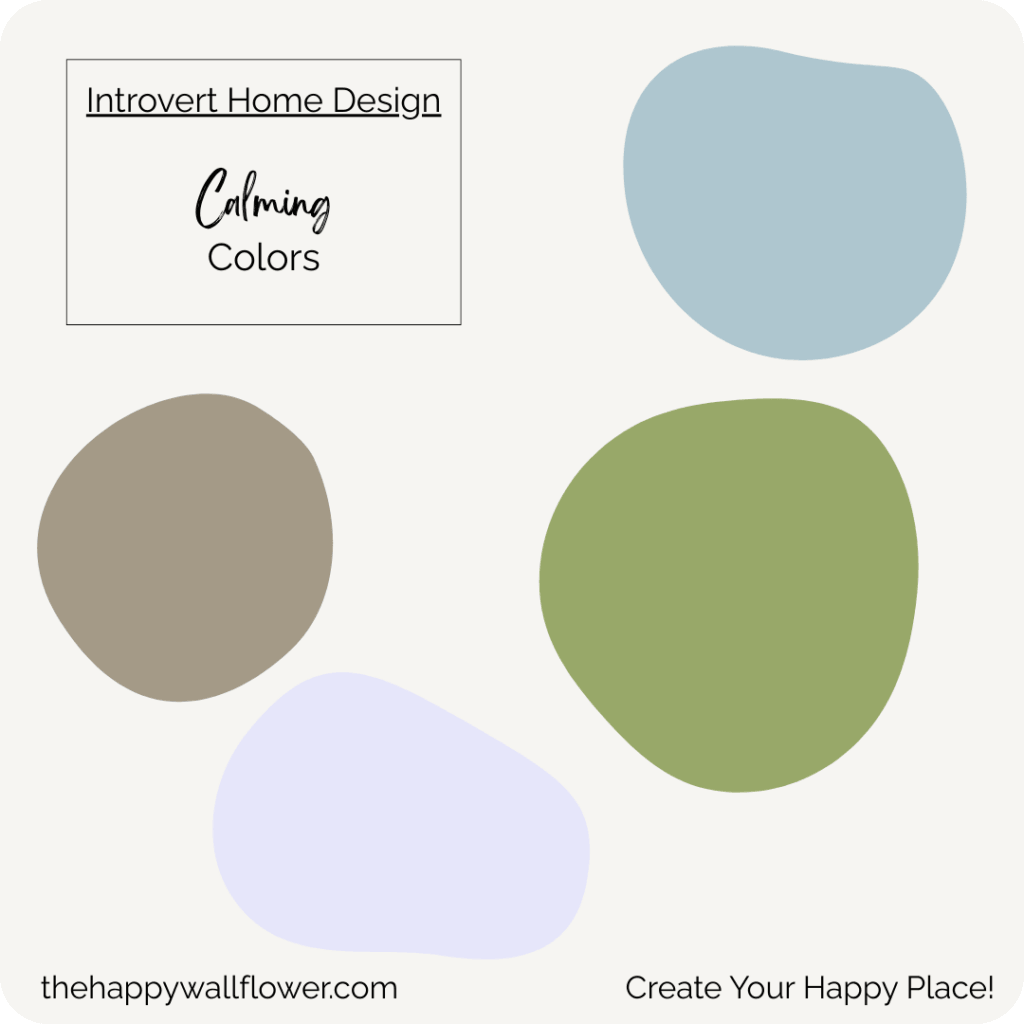
Colors That Actually Calm Your Mind
Here’s something I’ve noticed: colors affect us introverts differently than they do extroverts.
Soft, muted palettes work best for us. Think pastel shades, earth tones, and neutrals that create genuine tranquility. Cool colors like medium blues enhance mental clarity and concentration. That’s perfect for home offices where you need to focus for long periods.
Warm neutrals such as taupe, warm gray, and beige create a welcoming foundation without overwhelming your senses. For bedrooms? Soft blues, sage green, and lavender promote the kind of relaxation that actually helps regulate your nervous system.
Furniture That Creates Retreat Spaces
Your furniture should prioritize comfort and create defined areas for retreat. Those cozy corners with comfortable seating and soft lighting? They’re not just nice-to-have—they’re essential retreat spaces where you can recharge. This is especially true if you live with other people.
Here’s a tip that’s made a huge difference in my home: arrange furniture to create multiple sitting areas rather than one large conversation space. Position chairs slightly away from main seating groups with small tables between them. This creates secondary conversation areas perfect for one-on-one talks. This works much better for introverts rather than overwhelming group settings.
Light That Doesn’t Drain You
Ever notice how harsh, bright lighting makes you feel instantly drained? You’re not alone. We introverts feel more comfortable in dimmer, softer light.
Use dimmable lights and warm-toned bulbs. Lamps with soft shades create that cozy, calming ambiance we crave. Natural daylight filtered through sheer curtains gives you full-spectrum light. This regulates mood without the harshness of direct sunlight.
Taming The Noise
Unwanted noise creates significant stress for many of us. Heavy curtains and wool rugs absorb sound effectively—wool is particularly excellent for soundproofing. Solid-core doors rather than hollow ones prevent sound from traveling between rooms.
Want superior acoustic control? Try upholstered walls in your quiet retreat spaces. Wool fabrics work best due to their thickness and sound-absorbing properties.
Nature As Your Ally
Indoor plants do more than purify air—they boost mental health and cognitive function. Natural materials like wood and stone bring organic textures that feel grounding and peaceful.
It’s called biophilic design, but don’t worry about the fancy term. Just know that bringing nature indoors creates calm environments that support your well-being.
The Clutter Challenge
Clutter creates an additional mental processing load that quickly becomes draining. Focus on minimalist décor that reduces sensory overload—this allows you to focus and feel more at ease. You don’t have to go full-on minimalist, but just try to keep things simple and intentional.
Hidden storage solutions help maintain clean, organized spaces. This is particularly important for us introverts who often prefer minimal, distraction-free environments.
Your space should help you think clearly, not add to the mental noise.
Room-By-Room Guide
Every room in your home tells a different story about your introvert needs. Let’s walk through each space and see how it can better support your naturally quiet nature.
Entry Spaces That Buffer Outside Energy
Your entryway is like a decompression chamber between the chaotic world and your peaceful sanctuary.
Soften that abundant natural light with sheer curtains or place a mirror strategically to brighten without overwhelming. Natural materials work wonders here – think wood paneling, stone floors, or jute rugs that instantly ground you.
Keep it organized with hooks for coats, baskets for everyday items, and a system for mail. Why? Because visual clutter following you inside defeats the whole purpose of having a retreat.
Living Rooms That Accommodate Both Solitude and Socializing
Here’s the thing about introvert living rooms: one big conversation circle just doesn’t work for us.
Create multiple conversation zones instead. Pull furniture away from walls to make floating arrangements that feel more intimate. Use rugs to define different areas and layer your lighting with dimmers so you can adjust based on your social energy level.
Most importantly? Include at least one quiet corner with a comfortable chair where you can retreat during gatherings. This also works great if you have a small living room and limited space to spread furniture out. Trust me, you’ll thank yourself later.
Bedrooms As Sanctuaries
Your bedroom should be your ultimate haven – no compromises here.
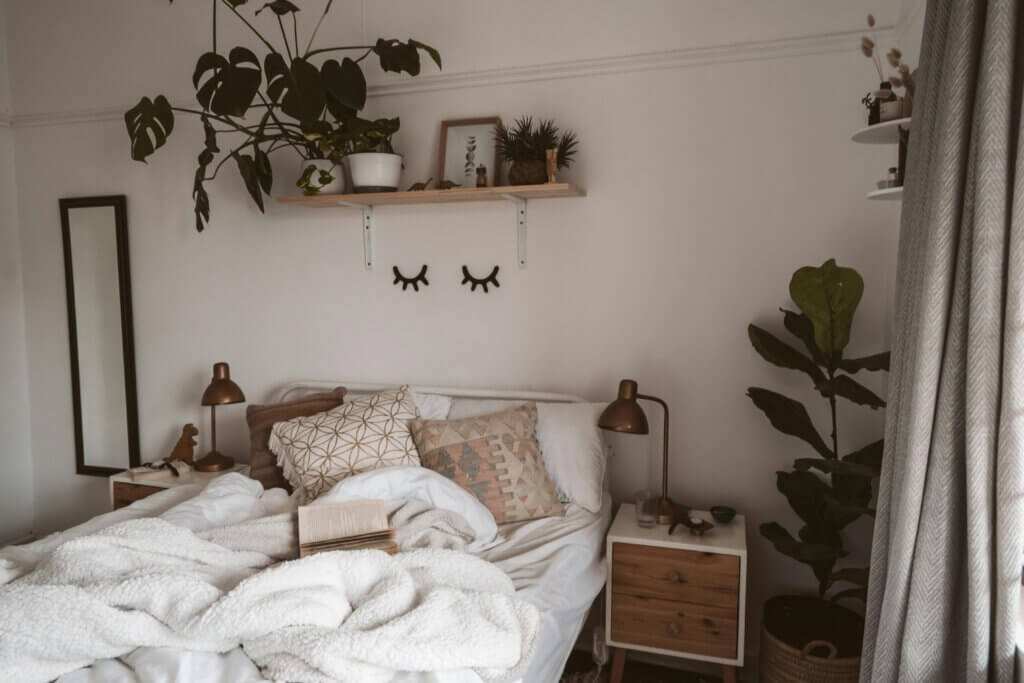
Stick with calming colors like soft blues, muted greens, or neutral tones. Focus on textures rather than busy patterns for visual interest without the overstimulation. Install good window treatments and add sound-absorbing elements like area rugs and fabric headboards.
Keep those surfaces clear with hidden storage solutions. This space needs to be purely restorative.
Home Offices That Foster Focus and Creativity
Position your workspace near natural light to help regulate your mood and energy. Create distance between your desk and high-traffic areas – even a few extra feet makes a difference.
Add elements that inspire that “soft fascination” I mentioned earlier – plants or nature views that let your mind restore without demanding attention. Personalize with meaningful objects that reflect who you are, just don’t create too much visual noise.
Bathrooms As Retreat Spaces
Why not turn your bathroom into a spa-like sanctuary?
Install dimmable lighting with warm color temperatures. Also, try adding natural elements like stone, wood accents, and plants. If space allows, consider a freestanding tub positioned near a window. Add plush textiles and keep countertops clutter-free.
Kitchens That Reduce Sensory Overload
Kitchens can be particularly overwhelming for us introverts, but they don’t have to be.
Keep countertops clear and store appliances in cabinets. I know this can be challenging if you have a busy family, but it helps to have routine systems and a place for everything. Organize intuitively with frequently used items easily accessible. Choose muted colors and avoid busy patterns.
Pro tip: replace glass dishes with ceramic or plastic to reduce noise. Use wooden or silicone utensils instead of metal ones to minimize those harsh sounds during food prep.
When Your Space Needs to Do More Than One Thing
Small space? Big family? Limited budget? I hear you, Wallflower!
For us introverts, every square foot needs to work harder. We need spaces that can serve multiple functions without sacrificing the tranquility that’s essential to our well-being.
Making Your Space Work For You
Multi-purpose furniture becomes your best friend. Murphy beds transform guest rooms into home offices. Pull-out sofas let your living room shift from family movie night to quiet retreat space. Even your kitchen can function as both a cooking space and a peaceful work station.
The key? Modular furniture and adjustable layouts that let you reconfigure spaces as your needs change. Maybe you need more social space for the holidays, but then want to convert back to cozy solitude. Your space should adapt to your introvert rhythms, not the other way around.
What About Open Floor Plans?
Open concepts can feel overwhelming for introverts, but you’re not stuck. Strategic furniture arrangement becomes your new architecture.
Try positioning the backs of sofas and bookshelves perpendicular to traffic flows – instant, gentle barriers. Half-walls with wooden slats keep light flowing while defining separate zones.
Here are some privacy solutions that actually work for introverted home design:
- Folding screens decorated with artwork (personality plus seclusion)
- Large leafy plants that create natural visual buffers
- Soundproof curtains mounted on ceiling tracks for instant retreat spaces
Your Quiet Zone, Even In Chaos
Living with others? You still deserve designated quiet zones.
Create small thinking stations near windows or in alcoves. Add personal items that connect you to your inner self. These don’t need to be big spaces – just clearly yours.
If you’re sharing with roommates or family, communication becomes essential. Establish household “zones of use” with simple visual cues that signal when you’re recharging. A closed door, a specific cushion in your reading spot, or even a small sign can help others respect your need for solitude.
Remember: your need for quiet time isn’t selfish. It’s how you show up as your best self for the people you care about.
Living With Others? Here’s How To Make It Work
Living with extroverts when you’re an introvert? It’s challenging, but not impossible.
The thing is, opposites really do attract in living situations. Your extroverted partner loves the energy of an open kitchen flowing into the living room. Your extroverted roommate wants the TV on for “background noise.” Meanwhile, you’re over here just trying to find a quiet corner to decompress.
Sound familiar?
Speaking Up For Your Space Needs
Here’s something I’ve learned: introverts need to own their voice when expressing space needs. Your opinions matter just as much as those of more vocal extroverts. But it requires intentional communication.
Try setting up regular check-ins about household arrangements. This prevents that slow-building resentment that happens when your needs aren’t being met. Remember, assertiveness isn’t about domination—it’s about drawing confidence from preparation and understanding.
High Energy vs. Low Energy Zones
Every shared home needs both “high energy zones” and “low energy zones” to accommodate different recharging styles.
Your extroverted family members thrive in communal, open-plan spaces where everyone can interact freely. That’s their happy place. But you need smaller, enclosed spaces for retreat. Neither need is wrong—they’re just different.
Create personal space areas near windows or in corners where you can temporarily withdraw without feeling isolated. Make it clear these aren’t rejection zones … they’re recharge stations.
Making Spaces Work For Everyone
Flexibility saves the day in shared spaces.
Consider rooms that can transform based on what’s needed. Enclosed spaces that work for group activities can double as refuges when you need solitude. Furniture that can be reconfigured as needs change gives everyone options.
Multi-purpose rooms with movable pieces allow spaces to shift based on activities and energy levels. The key? Everyone—regardless of personality type—needs opportunities to recharge in ways that work best for them.
Your needs matter too.
What If You Can’t Afford To Start Over?
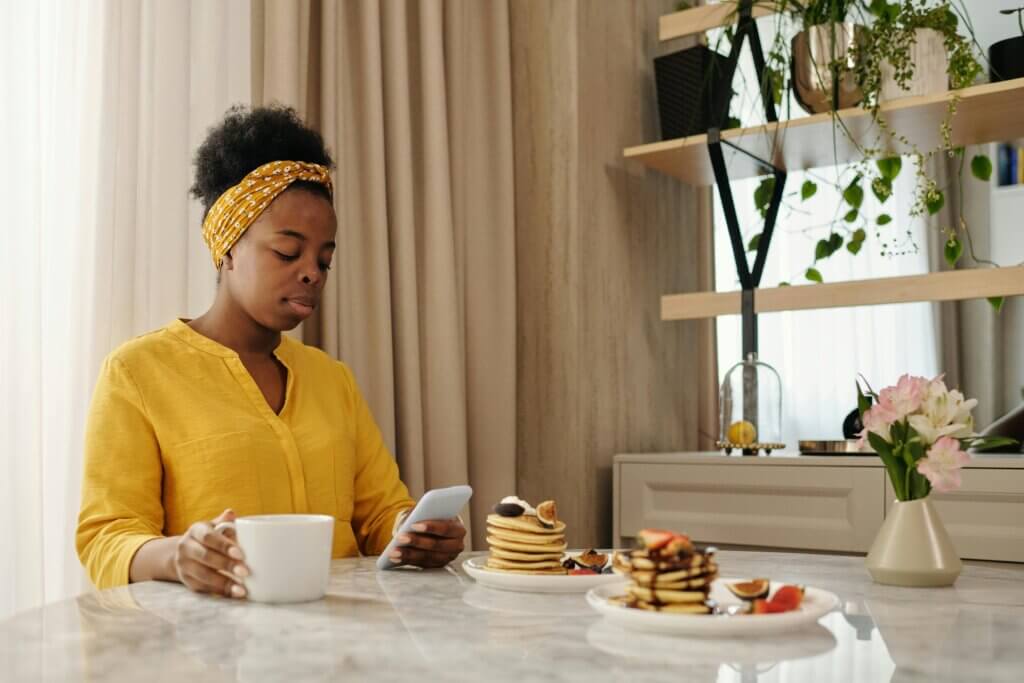
Ever feel like you need thousands of dollars to make your home work for you? I get it. Most introvert design advice assumes you have a big budget to work with.
Here’s the truth: creating a space that actually recharges you doesn’t require emptying your bank account. Small, thoughtful changes often yield the greatest psychological benefits for those who need peaceful surroundings.
Start With What Costs Nothing
Decluttering creates immediate mental calm and costs nothing but time. Begin by removing unnecessary visual distractions from high-traffic areas. You’ll be amazed at how much calmer you feel.
Fresh paint in soft, muted tones can completely shift a room’s energy. This is particularly important in spaces where you recharge. Textile accents like throw pillows and blankets in calming colors effectively refresh older furniture while adding comfort.
Here’s something that surprised me: quality rugs—especially wool—absorb sound remarkably well, creating quieter environments without expensive renovations.
DIY Projects That Actually Matter
For many of us introverts, DIY projects provide more than budget-friendly solutions—they become meaningful forms of self-expression and relaxation. There’s something deeply satisfying about creating with your hands. I’ve certainly found this to be true for myself.
Try creating personalized artwork for your walls. It adds unique character while saving money on expensive decor. Thrift store hunting yields hidden treasures that can be refinished or repurposed. Pinterest has lots of inspiration for creating reading nooks and quiet corners tailored to your specific taste.
Where To Spend Your Money Wisely
When you do have money to spend, be strategic about elements that directly benefit your mental well-being.
Solid doors prevent sound from traveling between rooms, making them worth the investment over hollow-core alternatives. Wool rugs and fabrics provide superior sound absorption, creating quieter environments.
Focus on spaces where you spend the most time—we introverts typically invest more in our homes since we generally spend greater portions of time there. Makes sense, right?
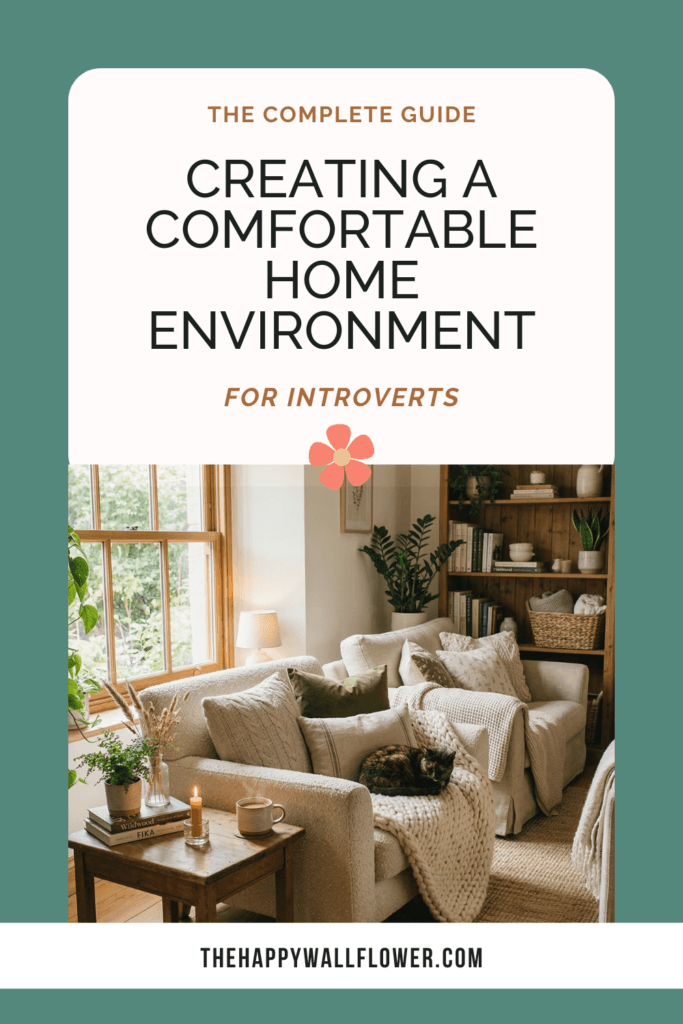
Your Introvert Home Journey Starts Now
Creating an introvert-friendly living space isn’t a one-time project. It’s an ongoing journey of making your space work better for you.
Start small. Declutter that one corner that’s been bothering you. Add a comfortable chair by the window. Try some sound-absorbing elements in the space where you spend the most time.
You don’t need to do everything at once.
Here’s something important to remember: introverted home design isn’t about hiding from the world. It’s about creating balance. Your space should support your need for solitude AND your desire for meaningful connection with others.
Each room in your home can serve a different psychological purpose. Your bedroom becomes your sanctuary. Your living room balances social time with quiet retreat options. Your entryway buffers the outside world’s energy before it reaches your peaceful spaces.
Your introvert home should feel like an extension of your inner world. A place where you can truly be yourself, recharge your energy, and engage with life on your own terms.
We deserve homes that support us, not drain us.
Start small, be patient with yourself, and celebrate each change that brings more peace to your daily life. You’ve got this!
Your Home Should Be Your Haven
Creating a home that honors your introverted nature isn’t just about pretty design—it’s about survival. Throughout this guide, we’ve explored how the right environment can be the difference between thriving and just getting by.
Think about it … your perfect sanctuary needs several things working together. Colors that calm instead of overstimulate. Furniture arranged so you have both connection and escape routes. Lighting that doesn’t assault your senses. Sound management that gives your mind the quiet it craves. Natural elements that ground you. And spaces free of the visual noise that drains your energy.
Here’s what I love about introvert home design: small changes make a huge difference.
Rearrange furniture to create a reading nook. Add some sound-absorbing textiles. Start with one room that matters most. It could be your bedroom or wherever you go to recharge. Then expand from there.
Society might celebrate the extroverts, but your need for a thoughtfully designed home matters just as much. Whether you live alone or share space with others, you deserve environments that respect how you’re wired.
Are you ready to start?
Your home should feel like a physical extension of your inner world. A place where you can finally exhale completely, process your thoughts without interruption, and emerge refreshed. This journey of creating your introvert sanctuary isn’t a one-time project—it’s ongoing, and that’s okay.
We deserve homes that don’t deplete us but instead help us thrive as the introverts we were meant to be.
Start small. Be patient with the process. And celebrate each improvement that brings greater peace to your daily experience.
You got this, Wallflower!